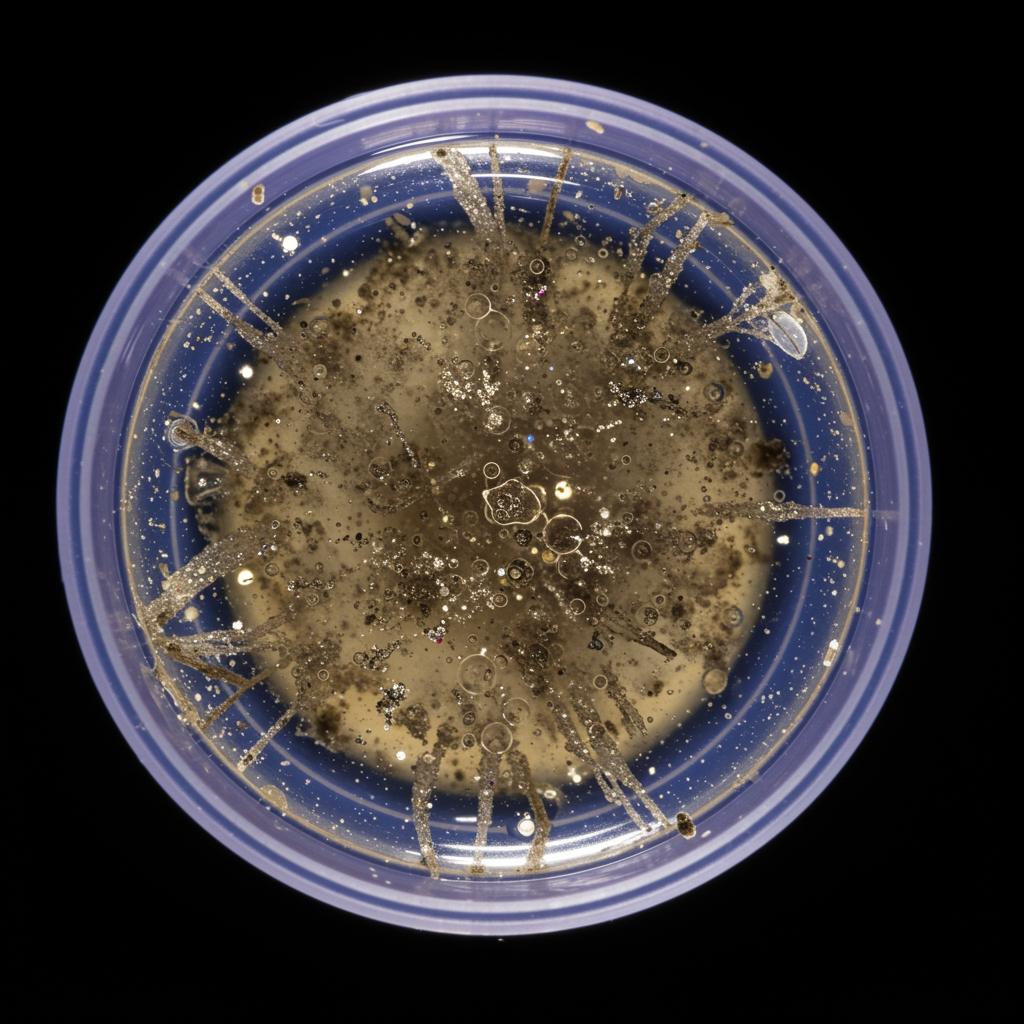
Microplastics are everywhere — in the air we breathe, the water we drink, and the food we eat. That these tiny plastic particles have already found their way into the human body is no longer surprising. But a new pilot study from New York University has revealed something far more alarming: microplastics were detected in strikingly high concentrations directly inside prostate cancer tumors — at levels more than twice as high as in healthy tissue from the same patients.
For us at ClearFlow, this is not an abstract research finding. It is yet another serious indication of why reducing microplastic exposure in our daily lives — especially through what we drink — is more important than ever.
The Study: What Was Investigated?
A research team led by urologist Dr. Stacy Loeb of New York University (NYU) analyzed tissue samples from ten patients who had undergone surgical removal of the prostate due to prostate cancer. The findings were presented at the prestigious Genitourinary Cancers Symposium of the American Society of Clinical Oncology (ASCO).
The goal: to detect microplastics in tumor tissue and analyze the quantity, composition, and structure of the particles. As a control, the team used healthy prostate tissue taken from the same patients — a methodologically sound approach that minimizes individual biological variation.
To rule out contamination from plastic medical instruments or laboratory equipment, the researchers worked exclusively with materials such as aluminum and cotton. All samples were processed in specially equipped cleanrooms designed specifically for microplastic analysis.
| Finding | Tumor Tissue | Healthy Tissue |
|---|---|---|
| Microplastics detected | 9 out of 10 samples (90%) | 7 out of 10 samples (70%) |
| Average concentration | 40 µg/g tissue | 16 µg/g tissue |
| Ratio tumor : healthy | 2.5x higher | Reference value |
What Do These Numbers Mean?
The results are striking: cancer tumors contained an average of 40 micrograms of microplastic per gram of tissue — two and a half times more than the healthy prostate tissue of the same patients, which measured 16 micrograms per gram. Additionally, microplastics were found in 9 out of 10 tumors, compared to only 7 out of 10 healthy tissue samples.
The research team suggests a possible causal connection. Dr. Loeb stated at the data presentation that microplastic exposure could be a risk factor for prostate cancer. Potential biological mechanisms under discussion include chronic inflammation or immune reactions within the tissue that may promote long-term cellular damage.
"Our findings show another potential health hazard from plastic and highlight the need for stricter regulatory measures to reduce exposure to these ubiquitous substances."
— Dr. Vittorio Albergamo, Senior Author, NYU Grossman School of MedicineEarly Signals — Not Yet Proof
The research team itself emphasizes the preliminary nature of these results. With only ten patients, this is a small pilot study — firm causal conclusions cannot yet be drawn. The key open question remains: Does microplastic cause cancer, or does it preferentially accumulate in tissue that has already undergone malignant changes?
The team is planning follow-up studies using cell cultures and animal models to examine the biological mechanisms more closely. The science is ongoing — but the trend of findings is unmistakably concerning.
Microplastics & You: How Does It Enter the Body?
Microplastics enter our bodies through multiple pathways — and drinking water is one of the most significant:
- Drinking water: Both tap water and bottled water contain measurable amounts of microplastics. Studies show that plastic bottles themselves are a significant source — especially when exposed to heat.
- Food: Microplastics have been detected in fish, seafood, honey, table salt, and even beer.
- Air: Synthetic textile fibers and general plastic degradation in the environment mean we inhale microplastic particles every single day.
- Packaging: Hot beverages in plastic cups or food stored in plastic containers can significantly increase intake.
What You Can Do Right Now — ClearFlow as Your First Step
While research continues to investigate the full health implications, there is a practical first step available today: actively reducing your microplastic exposure through what you drink.
Protect yourself now — before the science has all the answers.
Start with the simplest step: less microplastic in every sip.
- Fits standard PET bottles — no new equipment required
- Fully portable — use it anywhere, anytime
- Effective filtration of microplastic particles
- Sustainable: also reduces single-use plastic consumption
- USPTO patent pending (MPF™)
Conclusion
The NYU pilot study does not provide definitive answers — but it adds to a growing and increasingly concerning body of evidence about microplastics inside the human body. The decision to reduce your own exposure does not have to wait for the final scientific verdict. Smart prevention starts now.
We believe clean water is a fundamental right — and that everyone deserves access to a simple, effective solution. That's why we built ClearFlow.
Sources & Further Reading
- NYU Grossman School of Medicine / Stacy Loeb et al. — Pilot study presented at ASCO Genitourinary Cancers Symposium 2026
- n-tv Science: "Tiny plastic particles have long since arrived in the human body" (March 2026)
- WHO Report on Microplastics in Drinking Water (2019)
- Ragusa et al. (2021): Microplastics in human placenta — Environment International
- Campanale et al. (2020): A Detailed Review Study on Potential Effects of Microplastics and Additives of Concern on Human Health — Int. J. Environmental Research and Public Health
Disclaimer: This article is for general informational purposes only and does not constitute medical advice. The referenced pilot study is preliminary and has not yet been published in a peer-reviewed journal.
Back to all articles